 Prague becomes a global centre of science: The INSAR 2026 Congress highlights new approaches to understanding autism
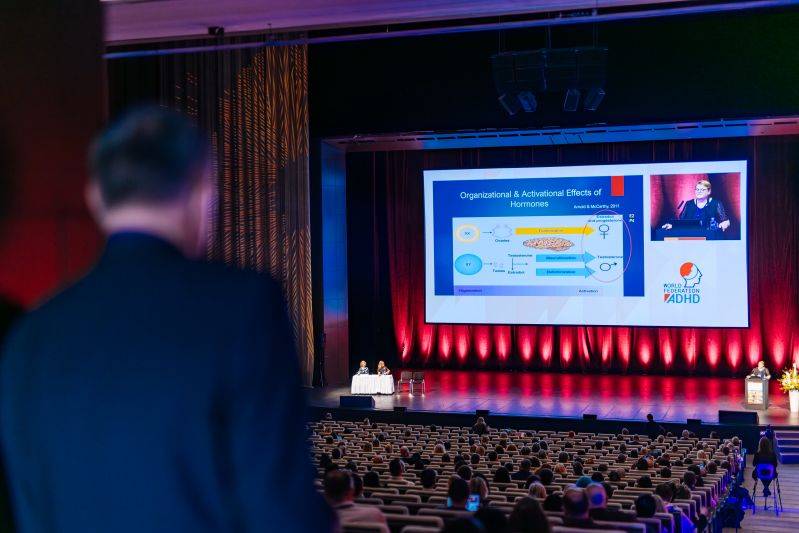
In April, leading international experts in autism research gathered at Prague Congress Centre. Over four days, the prestigious annual congress of the International Society for Autism Research (INSAR) 2026 offered an extensive professional programme featuring lectures and discussions on research, the latest findings and studies, as well as new ways to improve the lives of people on the autism spectrum. “Prague Congress Centre exceeded our expectations in several respects,” says INSAR Executive Director Chalise McClaran in the interview.
Why did you choose Prague and Prague Congress Centre for your annual congress?
The INSAR Board selected Prague in early 2023 as part of a long-term strategy to hold meetings in different regions around the world and strengthen global engagement. Prague stood out as an easily accessible European hub with extensive experience in hosting international scientific congresses. Several board members also had personal experience attending events at Prague Congress Centre, which strengthened our confidence in both the venue itself and the city. However, Prague is not only about logistics – it offers a unique combination of history, intellectual tradition and an environment that encourages meaningful exchange between researchers from around the world. For the global scientific community, accessibility, safety and the ability to foster collaboration are essential. Prague meets all these requirements, while Prague Congress Centre provides the infrastructure needed for an event of this scale.
Could you briefly introduce the congress keynote speakers?
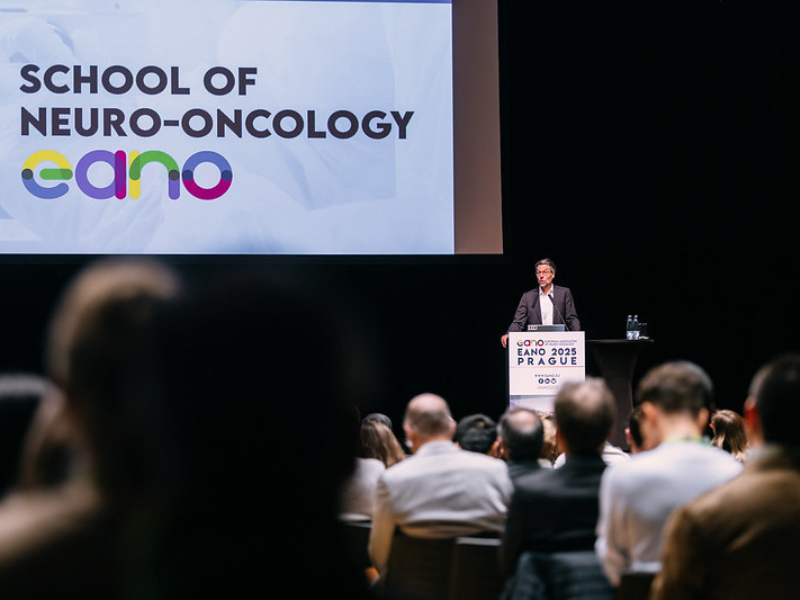
INSAR 2026 featured three keynote speakers whose work reflects both the depth and continuing development of autism research. Dr. David Mandell (University of Pennsylvania) opened the conference with a lecture looking back at 25 years of research into services for people with autism, while also outlining the future direction of the field, particularly in improving systems of care and their real-world impact. Dr Damian Milton (University of Kent) focused on the concept of the “double empathy problem”, which has fundamentally reshaped perspectives on communication between autistic and non-autistic people and has important implications for both research and practice. Dr Angelica
Ronald (University of Surrey) closed the conference with a lecture on genetics and early development, showing how gradual individual discoveries contribute to a more nuanced understanding of autism throughout life.
Which topics from the programme could also appeal to the wider public?
Although part of the programme was highly specialised, many of the topics discussed have clear relevance beyond the scientific community. Topics included the experiences of families and caregivers, with increasing emphasis on sensitive approaches to support; digital health and technology, including the use of video and audio analysis to better
understand manifestations of autism; genetics and large-scale population studies refining our understanding of autism across entire populations; and employment opportunities and adult life, an area that is receiving growing attention. At the same time, strong emphasis was placed on global perspectives and inclusion – ensuring that research reflects diverse communities and real-life conditions. Rather than presenting a single “major breakthrough”, the conference demonstrated how the field as a whole is moving towards more interconnected, practical and inclusive approaches to understanding and supporting people on the autism spectrum.
How satisfied were you with the services provided by Prague Congress Centre?
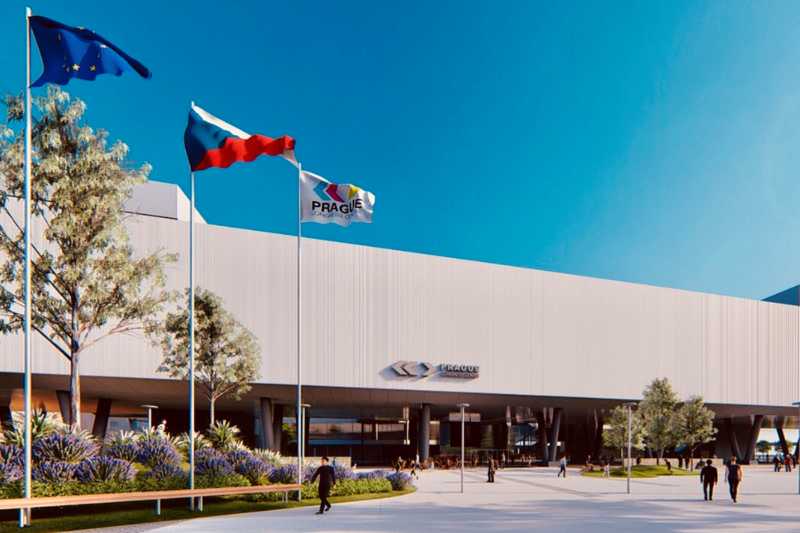
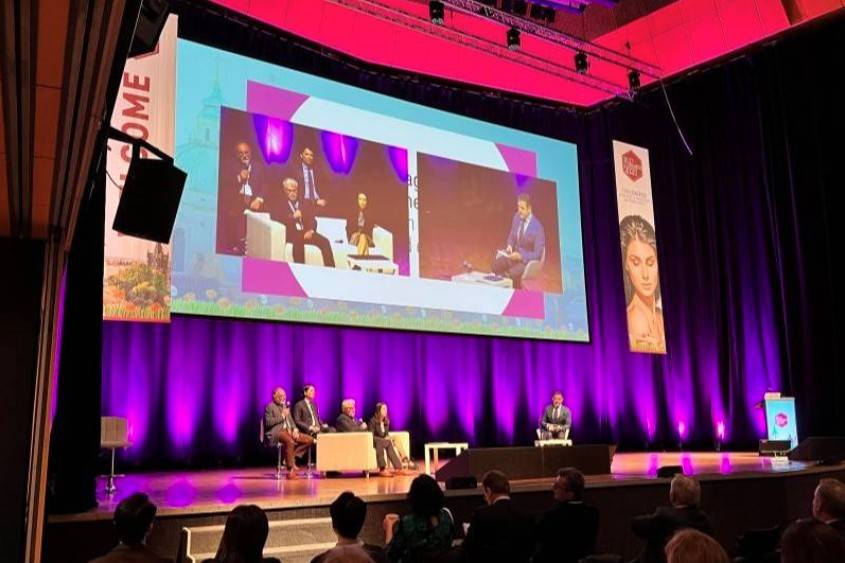
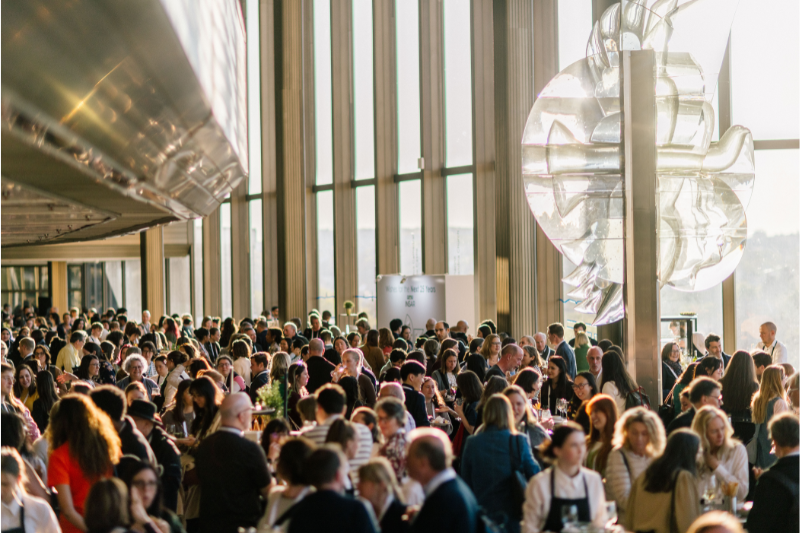
Prague Congress Centre exceeded our expectations in several respects. The Congress Hall is ideal for the main programme and keynote lectures, as it offers both sufficient capacity and the technical facilities required for a large nternational audience. Equally important is the overall layout of the building, which enables participants to move around smoothly, reduces overcrowding and increases comfort during parallel sessions. The foyers on the second floor also proved to be a major advantage. They provide a natural space for networking while also offering views over the city that enhance the overall experience without distracting from the professional programme.Another benefit is the abundance of natural daylight throughout the building. At a conference that spans a number of days, this is a factor that significantly influences how participants move through the venue and how well they are able to concentrate. Combined with the capacity of nearby hotels, convenient public transport links and on-site services, Prague Congress Centre was perfect for our needs. Overall, the congress was a great success. We welcomed a large international audience, with participants arriving from more than 75 countries, and the programme ran smoothly throughout the week. The feedback from participants has been overwhelmingly positive. Everyone was very satisfied with your services – the Prague Congress Centre team was approachable, professional and exceptionally helpful throughout every stage of the event. Once again, we would like to thank you for your cooperation in organising INSAR 2026.
Marketing KCP
2026-06-19