 Record-breaking EANO 2025 congress confirms the strength of Czech neuro-oncology and the quality of Prague Congress Centre facilities
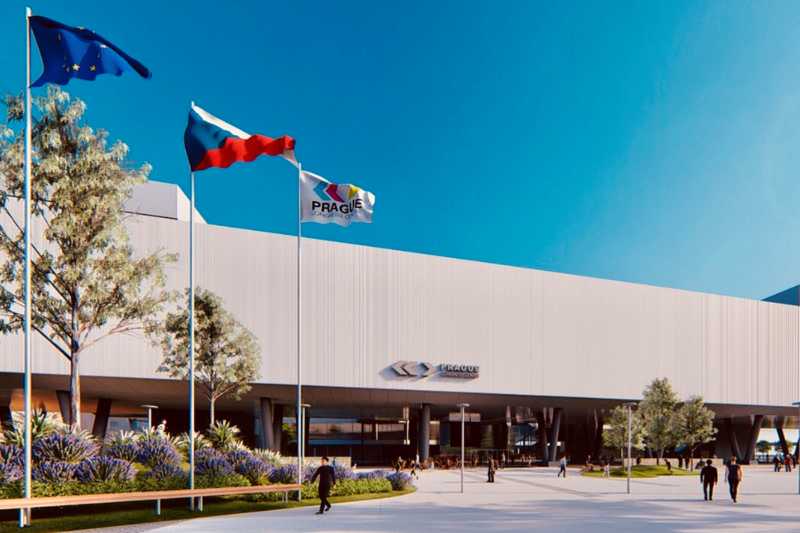
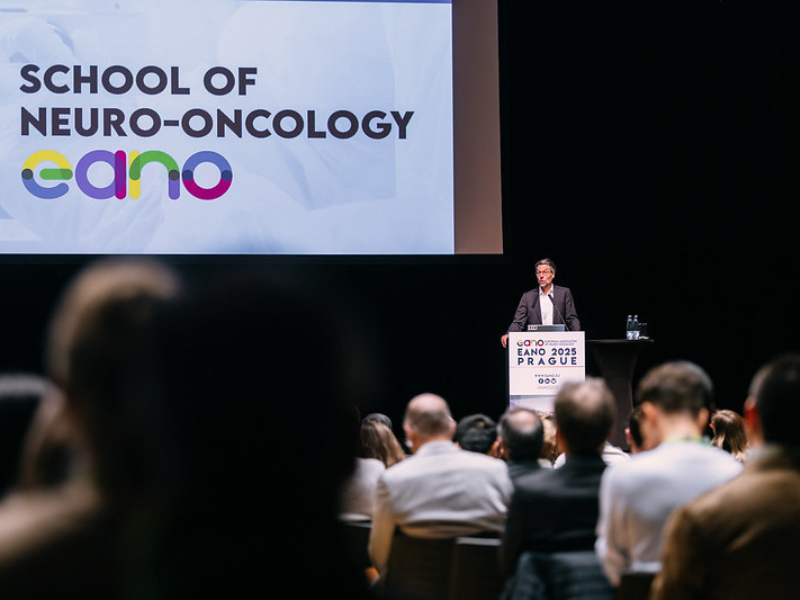
The 20th anniversary congress of the European Association of Neuro-Oncology (EANO) was held last year for the first time in a former Eastern Bloc country – in the Czech Republic, at Prague Congress Centre. The fact that EANO selected the Czech Republic for its anniversary meeting is a testament to the long-standing work of Czech neuro-oncology and its firmly established position within the European landscape. The patronage of Charles University and the City of Prague underlined the scientific and social significance of the event.
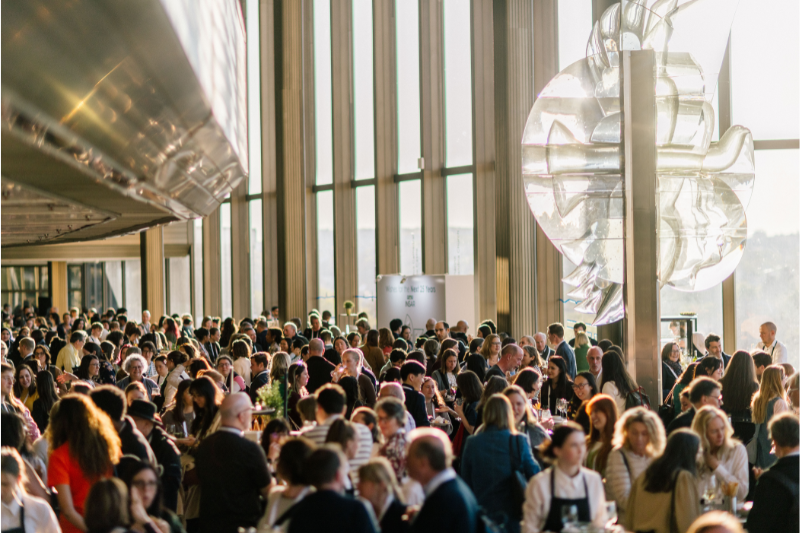
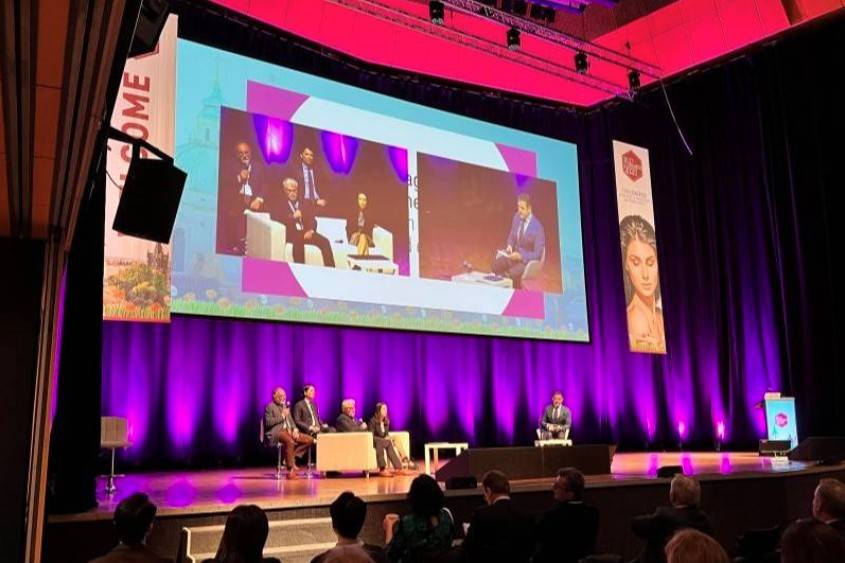
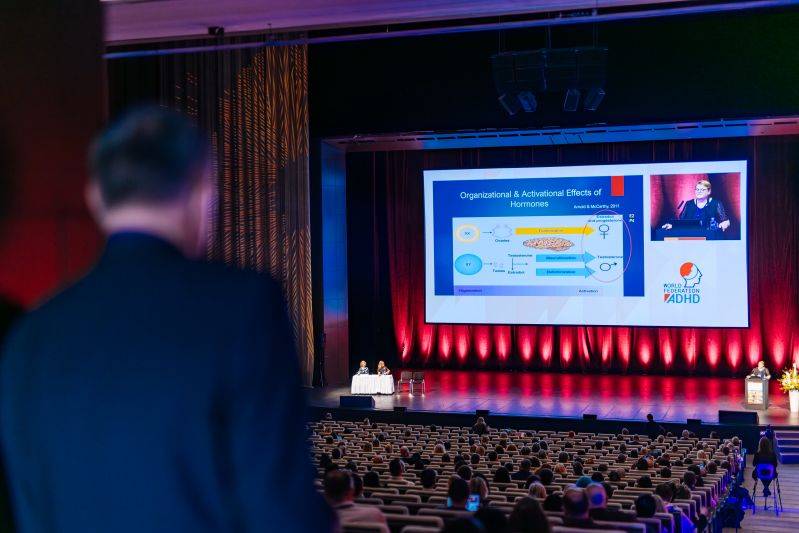
The congress welcomed more than 1,600 experts from 80 countries – the highest attendance in EANO’s history. The scientific programme offered a balanced perspective ranging from clinical trials to cutting-edge basic and translational research. Particular attention was given to the tumour microenvironment, immunotherapy, personalised medicine, and the integration of large-scale omics data into clinical decision-making. As is tradition, the Education Day summarised key developments in the field and reaffirmed EANO’s emphasis on the systematic training of young specialists. International delegates praised the quality of the facilities The Neuro-oncology Section of the Czech Oncology Society also played an important role. The active participation of Czech teams in the scientific programme clearly demonstrated that Czech neuro-oncology is regarded as a respected partner among Europe’s leading institutions. Czech neuro-oncology stands on solid foundations The Prague meeting therefore left its mark not only through attendance figures or the quality of the lectures, but above all through strengthened professional networks, trust and collaboration. It demonstrated that Czech neuro-oncology stands on solid foundations, is capable of organising Europe’s most prestigious forum in the field, and can also initiate new projects with pan-European reach.
Prague proved itself not only scientifically, but also in organisational terms. International delegates repeatedly praised both the quality of the facilities and the atmosphere of the city. One member of the Scientific Committee commented: “Prague offered the perfect balance between an intensive scientific atmosphere and historical depth – it was a privilege to discuss the future of neuro-oncology in such an inspiring setting.” This feedback confirms that the combination of scientific excellence and cultural context can significantly enhance the overall impact of a congress.
A crucial factor was also the link to the activities of the National Institute for Cancer Research (NICR) – currently the largest academic oncology project in the Czech Republic. It provides long-term support for the development of translational research, the coordination of clinical and biological data, and the training and support of young researchers. As part of the accompanying NICR symposium, the conference also hosted a working meeting of an international group preparing a COST Action project focused on brain metastases. Under the leadership of Czech and Spanish teams, a network of experts from ten countries was successfully established, together with representatives of key European infrastructures (EATRIS, ECRIN, BBMRI and IARC). The congress also strengthened our position within EANO and opened up opportunities for further institutional collaboration.
Photo: Jan Malý/fotomaly.cz
Marketing KCP
2026-06-22